How Big a Furnace Do I Need for My Home?
When Old Man Winter arrives, you need a furnace you can depend on to keep you and your family warm and comfortable all winter long. Getting the proper-sized furnace ensures your entire home remains heated without causing you headaches on your energy bills.
Some people think it makes sense to buy the biggest furnace they can, but if your furnace is too big for your home, it will warm the home too quickly and cause you to become too hot. Also, a furnace that’s too big is less energy efficient, and frequently turns on and shuts off, which shortens its lifespan. A furnace that’s too small won’t be able to keep you warm on the coldest days of the year and running it longer means a shorter lifespan and higher energy bills.
To get the perfect-sized furnace, experts recommend calculating the square footage of your home and then selecting a furnace with a BTU range for your particular climate. For example, southern parts of the US are considered Zone 1 climate and have a heating factor of 30-35 BTUs which is how many you need to heat a square foot in your home. If you’re confused or still have questions, call us today and let us recommend the best system for your home.
Schedule an air handler maintenance service with our cooling specialists today! Our inspection includes a check on the blower motors, fan belts, and cooling coils.
When Is Furnace Replacement Required in the Area?
Are you debating whether to replace your furnace or just repair it and keep it going for another few years? In general, furnaces that are 15-20 years old and experiencing repeated breakdowns or problems are better off being replaced. A new, more efficient unit will save you on energy costs in the long run.
Other signs that may help you consider replacement:
- Cracked heat exchanger
- Steady rise in energy bills
- Frequent unit breakdowns and repairs
Why Choose Greater Area’s Experts?
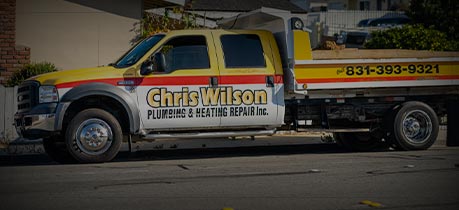
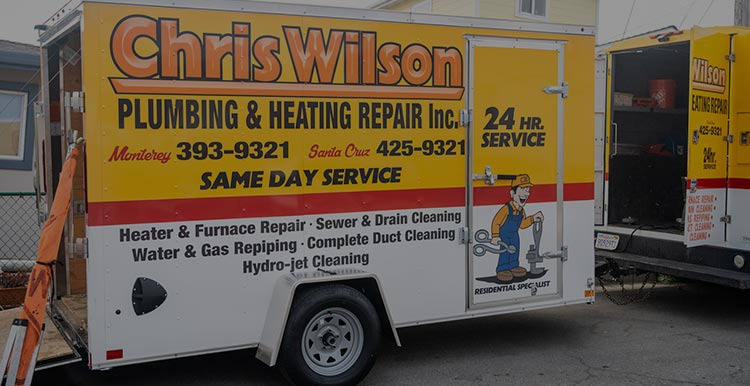
If you’re in , finding a reliable furnace installation company doesn’t have to be like looking for a needle in a haystack. At Chris Wilson Plumbing & Heating Repairs Inc. our primary goal is to make working with us a pleasure. We understand that a bad experience travels quickly, which is why we won’t rest until you’re satisfied with the work we do for you. Call us now and let us help you with whatever problem you’re having and give us a chance to show you how easy and stress-free working with us can be.
New furnaces provide more even and consistent heating, consume up to 30% less fuel and run more quietly. You can rest easy knowing that your home is being heated efficiently.
Understanding Furnace Energy Efficiency Ratings
Energy efficiency ratings are crucial when selecting a new furnace, as they indicate how effectively the unit converts fuel into usable heat. Look for units with a high Annual Fuel Utilization Efficiency (AFUE) rating, which measures the percentage of fuel converted into heat versus what is lost in exhaust. A furnace with a higher AFUE rating will save you money on energy bills.
For example, a furnace with an AFUE of 95% will convert 95% of the energy in its fuel into heat for your home, significantly lower than older models that might have an AFUE as low as 60%. This efficiency not only reduces your heating costs but is also better for the environment, allowing you to do your part in conserving energy.
The Importance of Regular Maintenance for Your Furnace
Conducting regular maintenance on your furnace is essential for ensuring its longevity and optimal performance. Routine inspections help identify potential issues before they become major breakdowns, giving you peace of mind during colder months. It’s advisable to have a professional service your furnace at least once a year.
Maintenance typically includes checking and replacing air filters, inspecting the blower motor, and ensuring all components are functioning correctly. For instance, neglecting to change air filters can lead to reduced airflow, increasing your heating costs and putting unnecessary strain on the system. Regular tune-ups help maintain efficiency and comfort levels, ultimately extending the life of your furnace.
Choosing the Right Fuel Source for Your Furnace
The type of fuel your furnace uses greatly impacts its performance and operating costs. Common options include natural gas, oil, and electric, each with its advantages and considerations. For instance, natural gas furnaces are often preferred for their cost-effectiveness and convenience, providing consistent heating with relatively lower energy bills.
On the other hand, electric furnaces are generally easier to install and can be an excellent option in areas without natural gas lines. However, they tend to have higher operational costs. It’s essential to weigh these factors and consider your specific needs and budget when deciding on the best fuel source for your home heating solution.
Signs You Need to Replace Your Furnace
Recognizing the signs that indicate it’s time to replace your furnace can save you from unexpected breakdowns and costly repairs. Common warning signs include unusual noises, uneven heating, and a furnace that frequently cycles on and off. If your furnace is over 15 years old and exhibiting these symptoms, it may be time for an upgrade.
Additionally, if your energy bills have significantly increased without a corresponding change in usage, this might suggest your furnace is no longer operating efficiently. Investing in a new furnace can not only enhance comfort but also lead to long-term savings on energy costs, as modern systems are designed to operate more efficiently.
Call now at 831-393-9321 to learn more about your furnace installation options. We provide solutions to homeowners in .