Dependable water heater specialists serving California’s Central Coast. Residents in Carmel Valley, Pacific Grove, Aptos, and La Selva Beach look to us for help!
Signs You Need Water Heater Repair
When your water heater works seamlessly, you probably don’t give it much thought. Before your water heater fails, it will likely show a few symptoms of being in disrepair. Besides no hot water, keep an eye out for the following signs that your water heater needs repair:
Rusty Water: Red-tinted hot water points to a corroding water heater that needs immediate attention. If you also have rusty cold water, you likely have a problem with the pipes in your home.
Water Leaks: Metal expands when heated. If your water heater tank expands too much or enough over time, the tank may break and spring a leak.
Inconsistent Water Temperatures: A fluctuation in water temperatures usually occurs due to the accumulation of mineral deposits around the heater’s water heating components.
Odd Noises: Strange noises coming from your unit may indicate that you have an aging water heater due for replacement. Strange sounds could also result from a buildup of mineral deposits inside the tank.
If you notice these signs, call our experienced plumbers right away for water heater services.
Have dripping faucets or clogged drains, look to our experienced plumbers for your plumbing maintenance and replacement needs. Call us for no mess left behind work!
"Thank you Chris and Lou. You went above and beyond to het our gas lines installed. Your dedication to the residents of the peninsula doesn't go unnoticed. Fabulous work and completed ahead of time. We can't thank you enough! Ill be recommending you to everyone!"
Cynthia B.
"Great company with quality service and hospitable people I would recommend this company hands down to fulfill your plumbing heating or sheet metal needs."
David L.
"I called their office at 7 in the morning with a HUGE issue, my water heater had busted in the middle of the night.. within 25 minutes I had a plumber at my door.. he also brought a new water heater with him so he didn't have to leave! The price was good and the workmanship and response were great!"
Sal S.
"Cody E. did an excellent job with servicing my furnace! Professional, efficient, and thorough, this is my first experience with Chris Wilson Plumbing and Heating and it was all positive! I will definitely call you again."
Charlotte C.
Cody Esquivel did an excellent job with servicing my furnace! Professional, efficient, and thorough, this is my first experience with Chris Wilson Plumbing and Heating and it was all positive! I will definitely call you again
Determining the Right Time for Water Heater Installation in California
A water heater can last for many years with routine water heater services. But like most things, your water heater will eventually reach the end of its lifespan. Look out for signs like old age, rusty water, and strange noises that point to a need for water heater replacement.
Debating whether to repair or replace your water heater? Our experts will give you an honest recommendation. In general, older water heaters (over 8-10 years) experiencing recurring problems are better off being replaced. A newer, more efficient water heater will save you in repair costs and energy over time.
Have slow-flowing drains? Your home might have a clogged pipe! Schedule with our drain cleaning specialists for honest and professional service.
What About Tankless Water Heaters in Greater ?
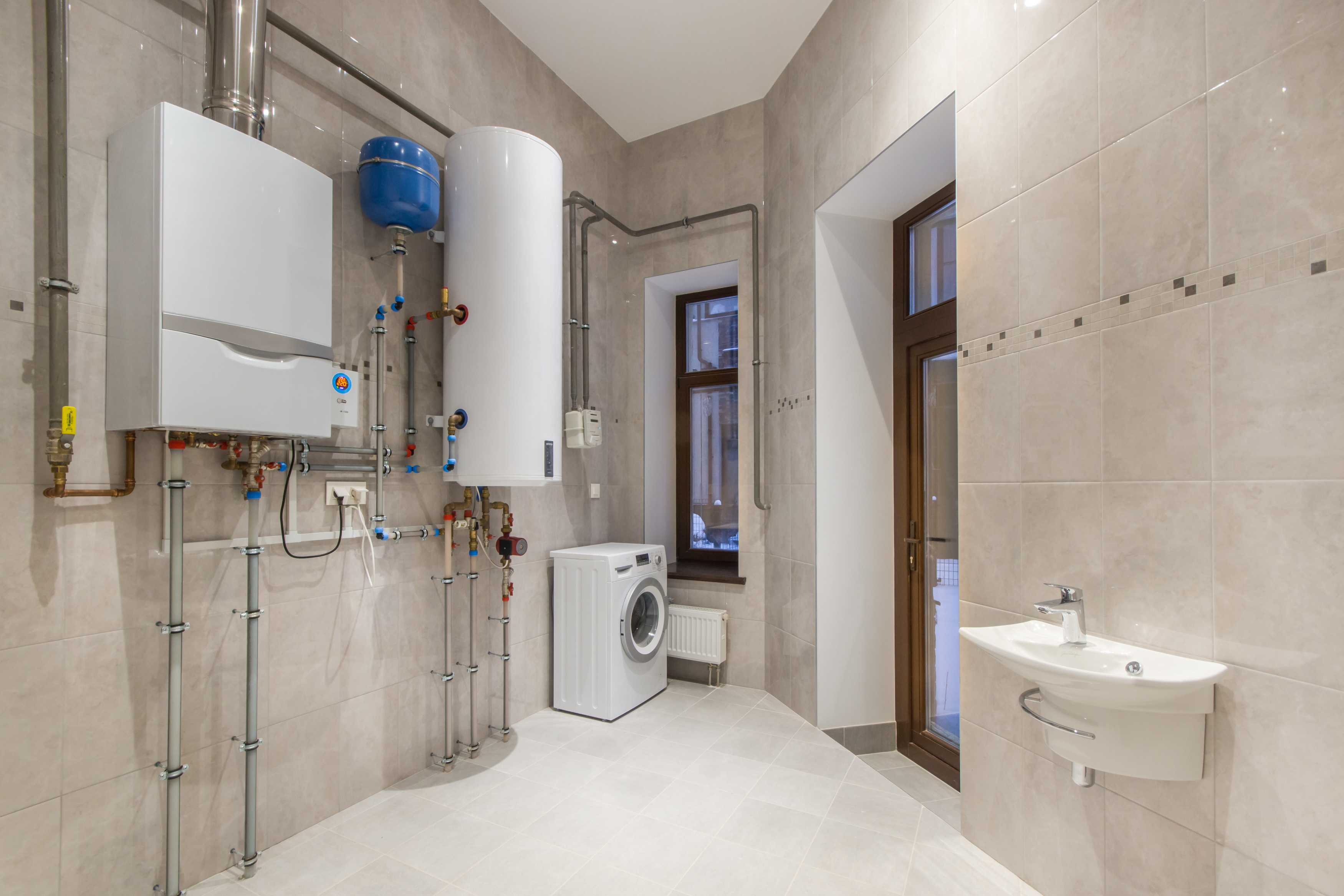
A tankless water heater heats water instantly without using a storage tank. As soon as you turn on a hot water faucet, cold water flows through a heat exchanger in the unit, and an electric element or gas burner heats the water. Tankless units deliver a constant supply of hot water, so you’ll never end up standing in a freezing cold shower.
Are you thinking about installing a new tankless water heater in your home? If you’re on the fence about these efficient units, take a look at the additional features and benefits of using one:
Tankless units connect directly to your plumbing and only heat the water as it is needed. This results in savings on your energy bill.
Eliminating the need for a water tank will save space in your home.
You will enjoy unlimited hot water on demand.
Tankless units last 5-10 years longer than tanked units and require fewer repairs over time.
Understanding Different Types of Water Heaters
Water heaters come in various types, each designed to meet specific needs and preferences. The most common types include tank water heaters, which store and heat a large volume of water, and tankless water heaters, which heat water on demand. Understanding these differences can help consumers choose the right option based on their hot water requirements, energy efficiency goals, and space considerations.
For instance, a traditional tank water heater is suitable for homes with a high hot water demand, while tankless options are great for smaller households or those looking to save on energy costs. Additionally, hybrid models, which combine features of both types, are also gaining popularity for their efficiency and convenience.
Benefits of Regular Water Heater Maintenance
Regular maintenance of your water heater can significantly extend its lifespan and improve efficiency, saving you money in the long run. By scheduling annual inspections and tune-ups, homeowners can identify potential issues before they escalate, ensuring consistent hot water supply and preventing costly repairs.
Maintenance services often include flushing the tank to remove sediment buildup, checking the anode rod for corrosion, and inspecting connections for leaks. This proactive approach not only boosts performance but also helps in maintaining optimal energy usage, leading to lower utility bills.
How to Choose the Right Water Heater for Your Home
Selecting the right water heater for your home is crucial for ensuring comfort and efficiency. Key considerations include the size of the heater, the type of fuel it uses (electric, gas, or solar), and the expected demand for hot water. Consumers should assess their household’s peak usage times to determine the appropriate tank size or flow rate needed for tankless units.
Additionally, evaluating the energy efficiency ratings and potential long-term savings can guide homeowners in their choice. For example, ENERGY STAR certified models are designed to save energy costs in the long term, making them a worthwhile investment despite higher upfront costs.
Professional Santa Cruz County Water Heater Installation
Upgrading your home’s efficiency starts with a professional Santa Cruz County water heater installation. Whether you are transitioning from a traditional tank to a modern system or simply replacing an outdated unit, the quality of the installation is just as important as the unit itself. A certified installation ensures that your system complies with local California building codes, operates at peak energy efficiency, and remains under warranty. Our team specializes in precision sizing, calculating your household’s peak water usage to ensure you never run out of hot water during those chilly coastal mornings.
A broken water heater can delay your productivity and make chores around the home difficult. Give Chris Wilson Plumbing & Heating Repairs Inc a call for a professional diagnosis. We’ll get to the bottom of the problem and recommend the best course of action.
We’re available around the clock to ensure you never have to go without the indoor comfort and safety you need.
Family Owned and Operated
As a family owned and operated company, we value the same things you do. That means we always have your best interests in mind and will always provide accurate and honest recommendations.
Competitive Pricing
We keep our prices competitive because we know you have more to worry about than just your plumbing and HVAC. Rest easy knowing you don’t have to choose between price and quality.
Respectful Technicians
Our expert technicians arrive on time and ready to work! We respect you and your home, wear shoe covers, and clean up after we’re finished solving your problem.
traditional water heater maintenance carmel in, water heater installation santa cruz, spring valley ca water heater repair, electric water heater experts spring valley, dependable water heaters, hot water tank repair chico, hot water heater repair, tankless water heater santa cruz, water heater repair in seaside, water heater installation in santa cruz, do plumbers fix water heaters, water heater repair, santa cruz water heater repair, water heater service, water heater installation in monterey, santa cruz water heater installation, water heater repair in monterey, tankless water heater carmel, la water heater repair, pete the plumber tankless water heater, water heater replacement carmel, aptos water heater repair, cabinet for water heater, water heater installation seaside, tankless water heater repair near me, hot water tank repair, gas water heater repair spring valley ca, wilson heater, water tank replacement near me, hot water heater santa cruz, water heater repair aptos, tankless water heater maintenance carmel in, tankless water heater replacement carmel in, water heater repair company scotts valley, water heater repairs, santa cruz leaking water heater, water heater repair santa cruz, water heater service near me, tankless water heater repair, soquel water heater repair, hot water maintenance central coast, hot water heating repair, hot water heater replacement la, chris wilson plumbing, cost of new hot water system, hot water heater repair santa cruz, water heater repair in santa cruz, tankless water heater unit replacement carmel in, tankless water heater repair carmel in, santa cruz water heater replacement, sacramento tankless water heater repair, gas water heater repair chico, cabinet for hot water heater, santa cruz water heater leaking, water heater repair pebble beach, water heater repair santa cruz ca, water heater repair spring valley, hot water repairs central coast, water heater installation in seaside, water heater repair dublin ca, capitola water heater repair, no hot water repair, water heater repair carmel in, water heater cabinet, aptos plumbers, hot water tank repair near me, water heater replacement santa cruz ca, water heater installation santa cruz ca, emergency water heater repairs spring valley ca, santa cruz hot water heater leaking, wilson plumbing services, spring valley tankless water heater specialists, water heater repair dublin, should i replace my water heater before it fails, water heater repair chico, chris plumbing services, wilson water heater, water heaters repair chico, tankless water heater installation carmel in, water heater repair service, water heater specialist near me, plumbers aptos, water heater repair la, hot water heater repair chico, water heater specialists inc, water heaters santa cruz, water heater repair near me, water heater replacement santa cruz, electric water heater repair, water heater replacement watsonville, hot water repairs inc, top-rated water heater repair company spring valley, professional water heater services spring valley, plumbers capitola ca, water heater services scotts valley, tankless water heater unit repair carmel in, hot water tank repair brea, tankless water heater repair and replacement in california, watsonville water heater repair, reliance water heater age, water heater repair carmel, cheap water heater repair phoenix, water heater repair in la, tankless water heating system repair santa clara ca, water heater repair specialists, how long do water heaters last in california, water heater repair in monterey ca, hot water heater technician near me, water heater santa cruz, cost to replace water heater california, water heater installation carmel in, water heater replacement carmel in, water heater repair hesperia ca, hot water repairs, water heater repair in my area, electric tankless water heater repair, heater repair la, water heater replacement seaside, water service repairs, hot water tank service, tankless water heater repair service in california, cheap water heater repair, water heater installers in my area, water heater toilet, tankless water heater services, hot water heater service, santa cruz shoe repair, water heater replacement pacific grove, who services water heaters, electric hot water heater repair, aptos faucet, hot water repair technician, home water heating solutions santa clara ca, electric hot water repairs, east valley tankless water heater repair, water heater repair pacific grove, wilson plumbing, water heater repair watsonville, santa cruz plumbing, water heater replacement aptos, water heater replacement pebble beach, water heater repair scotts valley, water heater repair san lorenzo, water heater replacement center point, gas water heater problems, plumbing monterey, monterey ca plumbers, water heater installation aptos, water heater replacement monterey, water heater installation carmel, carmel water heater installation, water heater installation watsonville, emergency water heater repair, water heater installation pacific grove, wilsons plumbing, water heater installation near me, carmel water heater repair, tankless water heater maintenance in carmel, water heater replacement near me