

Understanding HVAC Tools and What They Do
When people are trying to learn about a particular job, one of the common questions asked is: what does a typical day look like? Well, for an HVAC technician, there really is no “typical” day.
They cover a lot of ground in their day because every job they set out to do is a unique situation. HVAC technicians need to be prepared for anything that comes their way, which is why they carry such a wide variety of tools alongside them.
Many homeowners are curious about these tools, how they work, and what they are used for. Though most homeowners won’t use these tools themselves, it’s still important for them to have a basic knowledge of these tools and the processes that HVAC technicians use.
The Essentials in HVAC Tools
 The majority of products today have an “essentials” version of that product category. These are the products that every person should have in their closet, in their kitchen, in their bathroom, or elsewhere in their house. Clothing “essentials” are typically considered to be simple black or white t-shirts or button-up dress shirts and a pair of blue jeans.
Cooking “essentials” includes pots, pans, mixing bowls, a baking dish, and serving utensils. HVAC tools also have an essentials line of products including hammers, screwdrivers, pliers, wrenches, and other common toolbox products. Many homeowners will even have these essential tools!
These are the tools that HVAC technicians use, again and again, no matter what type of problem they encounter These tools stand the test of time. They may not be the newest HVAC version of an automatic pan stirrer, but they are needed to get every HVAC job done.
Specialized Tools to Know
Above the essentials are specialized HVAC tools. These tools are specific for each job and tend to be used less often, but they are still common tools that HVAC technicians will carry with them. Some examples of specialized tools include drills, multimeters, and thermometers. Drills have a lot more power than the average human hand, so they are a more efficient way to put in screws. Impact drivers are even more efficient because they hold more power despite being smaller than traditional drills.

Both of these high-powered drilling tools are helpful when working with thick HVAC materials that are tough to penetrate. A multimeter is another specialized HVAC tool. This tool is a piece of electronic test equipment that determines the level of electronic voltage that exists in a particular region of the wall, floor, HVAC system, or other parts of the house. A multimeter is especially important for the safety of the HVAC technician, so they don’t get electrocuted. HVAC thermometers are another specialized tool important for safety. This tool is used to measure the temperature of the air, water, refrigerant, and copper lines.
Safety Precautions & Safety Tools
 As previously mentioned, many specialized tools are made with the intent of providing safety to HVAC technicians. There are many more safety-related HVAC tools in addition to multimeters and thermometers. Floors can be slippery, especially if there are leaks near the HVAC system, so slip-resistant shoes are a great tool to prevent falls and injuries.
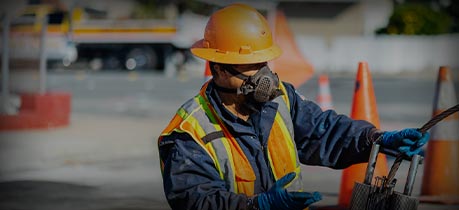
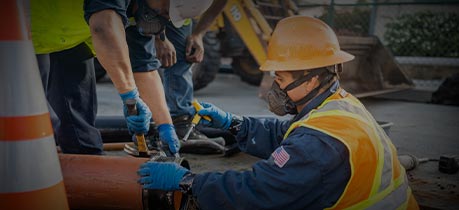
Since technicians spend much of their days working with sharp objects, chemicals, and electrical materials, wearing gloves can help prevent cuts, avoid electrical shocks, and keep chemicals from making contact with the skin. Using proper safety precautions is critical for preventing an emergency both for the HVAC technician and also for the people living in the home.
About Chris Wilson Plumbing & Heating Repairs Inc
Chris Wilson Plumbing & Heating Repairs Inc, believes their customers deserve the best from their plumbing, air conditioning, and heating service provider. That is why each technician is factory-trained and undergoes weekly training in order to streamline each job and make sure their customers receive the safest service possible.

