
woman thinking

The Distinction Between Plumbing Problems and Plumbing Emergencies

Important Vs. Urgent - Do You Know Which Is Which?

Among the many challenges homeowners face, plumbing issues are perhaps the most dreaded. They can be unbelievably messy, frustrating, and damaging - not to mention downright nasty. But many homeowners aren’t entirely clear on what to do when something goes wrong. Often, calling the plumber is viewed as a last resort. In some cases, the problem may be a simple one that homeowners can solve on their own.

But for some problems, the more time spent trying to figure out a solution (or trying to decide whether or not to call a plumber), the more damage. That’s why it’s so important for homeowners to know which major problems can wait and which require immediate professional attention.
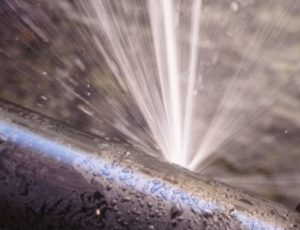
broken pipe

Broken Water Pipe - Urgent

Many people think they don’t have to worry about their pipes breaking if they live in a warm climate where the pipes aren’t likely to freeze. The truth is, a broken pipe can occur for several reasons - age, corrosion, excessive vibration, worn joints and couplings, overpressurized supply lines, shifting soil or home foundation, etc.

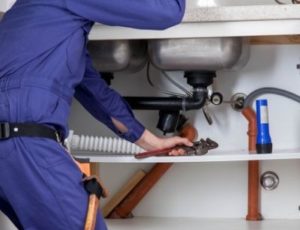
When a pipe breaks, it’s pretty easy to see why it’s an urgent problem. Whether it’s underground, in a basement, under a sink, or behind a wall, a broken pipe can release a massive deluge of water and cause extensive damage in just a matter of minutes. In some cases, homeowners could be dealing with the consequences for weeks after the pipe gets fixed. It’s crucial in this scenario to immediately shut off the home’s water supply and call a plumber.
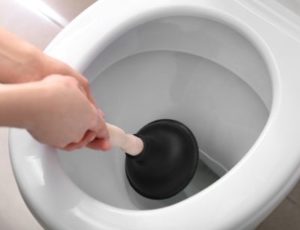
clogged toilet

Toilet Clog - Important

A clogged toilet may seem like it belongs in the “urgent” category - anyone who’s experienced this fiasco knows it can’t end soon enough. But as unpleasant as it is, it’s not as urgent an issue as it appears. This is because as long as it’s not overflowing and continuing to run, it can essentially be left alone and not cause any damage. Even if it is running, one can shut off the toilet’s water supply locally by turning the valve behind the bowl.

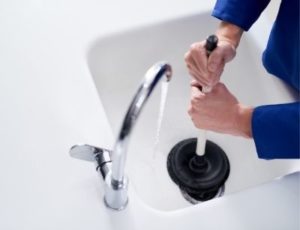
Of course, a brave soul can get to work with the plunger and eventually force the blockage out, provided it’s not too severe or isn’t too far down the drainpipe. But this is one problem that’s not likely to escalate while the homeowners wait for help to arrive. So while it may seem like an emergency if it happens in the middle of the night, it can probably wait until morning - unless, of course, it’s the home’s only toilet!

Backed-Up Sewage - Urgent

There are few things so horrifying as having sewage bubble up out of the home’s drains. It usually happens in the shower or bathtub first, but it can quickly make its way to the sinks. A sewage system backup is most often caused by a clog in the underground sewer or septic lines - usually grease, foreign objects, or invading tree roots - but it can also be caused by a major catastrophe in the municipal sewer system.

This is an extremely urgent issue. Raw sewage may contain harmful bacteria, parasites, and diseases - any contact with it can cause serious illness. It can also produce toxic gases, so it’s not even safe to breathe in the presence of sewage. And when a sewage backup occurs, there’s really nothing homeowners can do about it except stop using water, try to stay out of the house, and of course, call their trusted plumber.

About Chris Wilson Plumbing & Heating Repairs Inc

The family-owned Chris Wilson Plumbing & Heating Repairs Inc has been proud to serve Monterey, CA since 1999. Their highly-trained and respectful technicians are available 24/7 to handle any emergency. They offer competitive pricing, financing, and membership benefits. Call now for plumbing service!
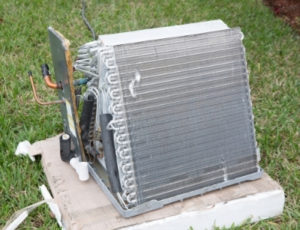
air conditioners

How Does an Air Conditioner System Work?

How an Air Conditioning System Keeps a Home or Business Nice and Cool

Nearly every home in America has an air conditioner of some kind. Some are ductless mini-split systems or window-mounted units that are installed on a room-by-room basis. But most are central air systems, with every room being served by a single large unit connected to a series of air ducts.

Regardless of the type of system, however, every AC shares the same purpose - cooling and dehumidifying an indoor space. Every type of air conditioner accomplishes this in much the same way. As summertime creeps ever closer, it can be helpful (and comforting) to know just how that air conditioner does its thing and keeps the sweltering heat at bay.

Air Conditioner Design

an air conditioner

There are a few main components to every air conditioner - a thermostat, a compressor, a condenser, an evaporator, blower fans, and copper pipes filled with refrigerant. In central air and mini-split systems, these components are divided into two separate units, one inside and one outside.

The outdoor unit houses the compressor, the condenser, and a blower fan, while the indoor unit houses the evaporator and a blower fan of its own. The units are connected by the copper refrigerant lines and electrical wiring. The thermostat is typically located on a wall or on the indoor unit itself, depending on the system. With window-mounted air conditioners, every component is contained in one unit.

How an AC Works

Now, look at how all of these components work together to provide cold air to a given space. The compressor pumps the liquid refrigerant through an expansion valve (which regulates the flow rate) and on into the evaporator, where it gets converted in gaseous form - a process that makes it extremely cold.

As the gaseous refrigerant flows through the copper evaporator coils, the indoor fan sucks warm indoor air through the air filter and blows it over the coils. The cold refrigerant absorbs the air’s heat energy, and the now-chilled air is blown back into the house. At the same time, the air’s moisture content collects as condensation on the evaporator coils, dehumidifying the home to some extent.

The refrigerant then flows into the condenser coils, where it is converted back to a liquid state as another fan blows outdoor air across the coils, carrying off the heat collected from the indoor air. The cycle then repeats until the thermostat sensors read the desired temperature.

ac professional

Why AC Service Professionals Are Important

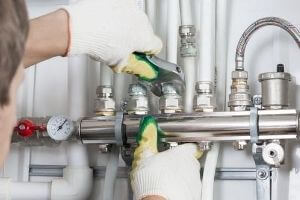
Understanding even this rudimentary description of how an air conditioner works, it’s easy to see how a problem with any one component can affect the whole system. And an AC system’s complexity goes well beyond the key elements mentioned here. That’s why HVAC technicians need to be well-versed in all technologies, new and old. They must also be highly trained to properly work on these complex systems, especially since chemical refrigerants and electrical components can be dangerous if mishandled.

So for anyone experiencing AC trouble (or wanting to make sure their system is in good working order), it’s best to leave the maintenance and repairs to the pros.

About Chris Wilson Plumbing & Heating Repairs Inc

The family-owned Chris Wilson Plumbing & Heating Repairs Inc has been serving Monterey, CA with pride for over 35 years. Their friendly expert technicians are always respectful, courteous, and punctual. They offer competitive pricing, financing, membership plans, and 24/7 emergency service.

spring is here

Get the Ball Rolling on Spring (Drain) Cleaning!

Don’t Skip the Drains in This Year’s Spring Cleaning

Spring has sprung, and that means it is time for spring cleaning. Many people use this time to clear out waste, excess, or unnecessary items they have accumulated in their homes. But when people think of spring cleaning tasks, it’s probably fair to say that most are not thinking of spring drain cleaning.

Homeowners must add drains to their spring cleaning checklist. After all, nobody wants to deal with clogged drains while everyone else is outdoors soaking up the spring sunshine. Homeowners can avoid major headaches by understanding the importance of drain cleaning and by employing basic cleaning techniques themselves.

The Importance of Drain Cleaning

someone drain cleaning

Plain and simple, drain clean is extremely important! Drain systems dispose of wastewater, but a blockage (even if mild) can make it harder for the water to pass through properly and result in a backup. Some of the main benefits of regular drain cleaning include:

  • Faster drainage and fewer clogs
  • Reduced clog-related odors
  • Fewer repairs/expenses
  • Longer drain system lifespan
  • Cleaner indoor air quality

Clogs can lead to many issues, the severity of which depends on the size and extent of the blockage. Don’t forget that the drain system includes parts of the house like the toilet and kitchen sink, so it should be pretty easy to imagine how unpleasant clogs can be, especially when they lead to overflows.

Of significant note, many homeowner insurance policies do not include coverage for damage due to clogged drains since they usually consider this preventable / maintenance-related. Thus, even more of a reason to be diligent!

someone drain cleaning

Professional Drain Cleaning Techniques

Professionals use three main drain cleaning techniques. These include:

  • Drain Snakes (Motorized): also referred to as “drain auger,” this a long, thick wire maneuvered into drains to break up clogs of virtually any size.
  • Hydro-Jetting: high-pressure water flow directed through the interior surfaces of pipes to break down buildup for an extremely thorough clean.
  • Video Camera Pipe Inspection: fiber-optic video cameras to inspect the inside of pipes for cracks or blockages without digging up the pipe itself.

Professional drain cleaning is recommended every 1-2 years, but this may vary depending on overall use and the age of the plumbing system.

Everyday Ways To Maintain Clean Drains

Just because homeowners hire professionals, this does not mean they are off the hook! Homeowners should also take basic preventative measures like regularly using the kitchen garbage disposal, keeping grease out of the sink, throwing out paper towels or sanitary items rather than flushing them down the toilet, and so on.

Should a clog appear in between professional cleanings, homeowners can employ simple clearing techniques such as:

  • Baking soda and vinegar (preferred over corrosive chemical solutions)
  • Hot water flushing
  • Manual drain snake
  • Wire hanger “snake”

The great news is that these are just some of the many DIY techniques that are relatively simple and easily accessible to most homeowners!

About Chris Wilson Plumbing & Heating Repairs Inc

Chris Wilson Plumbing & Heating Repairs Inc of Monterey, CA is a family-owned and operated, full-service indoor maintenance company. With a history dating back over 35 years, they believe in “top quality service professionally delivered.” Their team of technicians offers same-day service and expert workmanship with each job they do. Call them for drain cleaning service!

mistakes

New Year's Resolutions To Fix Bad HVAC Habits

Most Homeowners Don’t Know They’re Making These Common HVAC Mistakes

The new year is a time for people to turn over a new leaf, make changes, resolve to break bad habits and build better ones. Likewise, the new year is a good time to review home maintenance practices, to recognize areas for improvement, and to set smart goals for better energy efficiency and appliance performance. One specific area to focus on should be the home’s HVAC system.

Many homeowners don’t even realize they’re making some common HVAC maintenance mistakes. But after recognizing those mistakes, especially the ones outlined here, they can resolve to better care for their heating and air system.

Using the Wrong Air Filter

The air filter in an HVAC system is usually rectangular, with a cardboard frame. The filter is typically made of spun fiberglass or pleated paper. Air filters are designed to trap and retain pollutants, dirt, dust, and other debris, but will clog up they aren't replaced often.

Bad habit: Using the wrong air filter will force the air handler to work much harder to distribute air throughout the home. An overworked furnace is more likely to break down frequently. A dirty, clogged air filter also taxes the system. Both a clogged filter and the wrong type of filter can lead to poor indoor air quality, aggravating allergies, asthma, and other illnesses.

Good habit: This new year, resolve to use the correct air filter. Check the manual that came with the furnace to be certain. Look for a high-quality air filter with a high MERV number (Minimum Efficiency Reporting Value). Filters with higher MERV ratings filter out more pollutants and often last longer. Set a goal to change the filter as often as recommended on the label.

Don’t Forget Maintenance

maintenance
Routine maintenance is important for an HVAC appliance to last long and perform at maximum efficiency. When regularly maintained, residential furnaces can last up to 20 years or more.

Bad habit: Disregarding routine maintenance, thinking the furnace and air conditioner are fine. This is a mistake because the HVAC system will not perform well if parts are not lubricated, not properly aligned, clogged with dirt and debris, or broken. In the long run, ignoring maintenance will cost more money through repairs and replacement.

Good habit: Create a resolution to schedule routine HVAC maintenance at the start of each season. In the spring, get a tune-up for the air conditioner, including having the condenser coils cleaned and the refrigerant topped off. This will guarantee refreshing, cool air all summer long. In the late summer or early fall, hire a professional to tune up the furnace.

Regular HVAC maintenance will lower utility bills and catch any minor problems before they become major breakdowns.

Always Trust a Pro With Repairs

There are a lot of helpful tutorials on the internet these days to help homeowners with everyday repairs. But when it comes to HVAC repairs and maintenance, sometimes it’s best to leave it to the professionals. HVAC technicians attend training classes and complete rigorous apprenticeships to become certified.
an HVAC professional
Bad habit: Attempting to DIY HVAC maintenance and repairs. There are many factors in a residential HVAC system that homeowners may not be familiar with. In attempting to maintain or repair their furnace or air conditioner themselves, homeowners may encounter a dangerous substance or situation (such as refrigerant or leaking carbon monoxide). Or they may inadvertently break the appliance in a way that is expensive to repair.

Good habit: It’s okay to search online for answers to HVAC problems, but when it comes to opening up the appliance, moving or replacing parts, and cleaning it, it’s best to call in a professional. The fee for a visit from a certified HVAC technician could be minimal compared to the cost of repairing or replacing the unit after a botched DIY.

Trust Chris Wilson Plumbing & Heating Repairs Inc

For help with keeping New Year’s HVAC resolutions, trust Chris Wilson Plumbing & Heating Repairs Inc. In business since 1999, their technicians are highly trained and experienced with a range of AC services, including HVAC maintenance in Monterey, CA. Contact them for HVAC service today!

shower Chris Wilson

The Essentials of Shower Plumbing

What to Know About Shower Plumbing

Showers are one of those modern conveniences that can easily be taken for granted. Most people shower at least once a day (hopefully) and sometimes more, after exercise or work. Without showers, bathing would be a time-consuming and challenging affair.

But with all their benefits and convenience, they can be an epicenter for plumbing issues in the home. In this article, homeowners can learn how the plumbing in their home works and how they can avoid major problems with their shower.

Overview of a Home Plumbing System

plumbing system Chris WilsonA home’s plumbing consists of two subsystems - water supply and water removal. The supply subsystem brings water in, under enough pressure to deliver it to every fixture in the home. A portion of this water is diverted through the water heater to produce hot water for every faucet or appliance that requires it. The rest is immediately available at every fixture in the house.

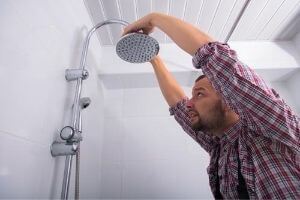
The removal subsystem is called the drain-waste-vent system, or DWV. This utilizes gravity and air pressure to flush water and waste materials from a home and into the septic or sewer system. Two key components of this system are vents and traps. Vents are the vertical pipes that protrude from a roof. These provide air to the drain pipes, allowing wastewater to flow freely down toward the sewer line or septic tank.

A trap is a J-shaped section of pipe underneath a drain. Whenever water goes down a drain, some stay trapped in this curved section, forming a water barrier between the mouth of the drain and the main drain pipe below. This prevents fumes and gasses from the sewer or septic system from entering a home.

Basics of Bathroom Plumbing

bathroom plumbing Chris Wilson
Between the sink, toilet, tub and shower, there’s a greater concentration of plumbing in the bathroom than in any other room. Though the basic principles remain the same throughout a house, each bathroom fixture has its own quirks and complexities. For instance, the trap under the sink is easy to access and remove if there’s a problem.

But the toilet has a built-in trap, and the trap under the tub or shower is typically impossible to get to without some demolition. The sink, tub and shower require both hot and cold water supplies, and while these are all controlled by similar valves, showers, in particular, are a little more complex.

How Shower Plumbing Works

shower plumbing Chris WilsonThe hot and cold water supplies arrive in two separate, ½-inch copper pipes, which converge at a hub called a pressure-balancing cartridge valve. This metal valve - operated by a single knob or handle - facilitates the blending of hot and cold water to reach the desired temperature and prevents extreme fluctuations in pressure or temperature if, say, someone flushes a toilet elsewhere in the house.

In shower/tub combos, the supply pipes will first meet at a diverter valve, directing the flow to the tub spout or up through the pressure-balancing valve and on to the showerhead. When this valve begins leaking or malfunctioning, it typically needs to be replaced entirely.

When used water goes down the shower drain, it’s carried by a 1½-inch PVC or ABS pipe through the J-shaped trap below and into the main drainpipe. Most clogs occur in the trap or the drain plug mechanism. The latter case is relatively easy to fix, as pop-up drain plugs are easy to disassemble. If the clog is in the trap or further down the drainpipe, store-bought or DIY fixes can often solve the problem, but in most cases, it’s best to call a professional.

Leaks are another thing to watch out for, as they can cause severe damage to the home if they’re not dealt with promptly. Leaks can come from wear and tear on the control valve, old or corroded pipes, or a poor seal around the tub or shower basin. Scheduling regular maintenance with a plumber is the best way to prevent costly troubles and ensure that the shower remains convenient and not burdensome.

About Chris Wilson Plumbing & Heating Repairs Inc

Chris Wilson Plumbing & Heating Repairs Inc has served Monterey, CA with pride for over 20 years. They are committed to safety, quality, and outstanding service. They offer affordable, up-front pricing, 24-hour emergency service and a full satisfaction guarantee on every job.