
What to Know About Shower Plumbing
Showers are one of those modern conveniences that can easily be taken for granted. Most people shower at least once a day (hopefully) and sometimes more, after exercise or work. Without showers, bathing would be a time-consuming and challenging affair.
But with all their benefits and convenience, they can be an epicenter for plumbing issues in the home. In this article, homeowners can learn how the plumbing in their home works and how they can avoid major problems with their shower.
Overview of a Home Plumbing System
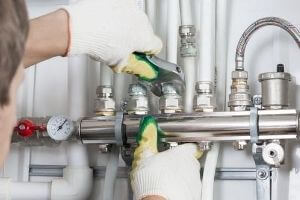 A home’s plumbing consists of two subsystems - water supply and water removal. The supply subsystem brings water in, under enough pressure to deliver it to every fixture in the home. A portion of this water is diverted through the water heater to produce hot water for every faucet or appliance that requires it. The rest is immediately available at every fixture in the house.
The removal subsystem is called the drain-waste-vent system, or DWV. This utilizes gravity and air pressure to flush water and waste materials from a home and into the septic or sewer system. Two key components of this system are vents and traps. Vents are the vertical pipes that protrude from a roof. These provide air to the drain pipes, allowing wastewater to flow freely down toward the sewer line or septic tank.
A trap is a J-shaped section of pipe underneath a drain. Whenever water goes down a drain, some stay trapped in this curved section, forming a water barrier between the mouth of the drain and the main drain pipe below. This prevents fumes and gasses from the sewer or septic system from entering a home.
Basics of Bathroom Plumbing

Between the sink, toilet, tub and shower, there’s a greater concentration of plumbing in the bathroom than in any other room. Though the basic principles remain the same throughout a house, each bathroom fixture has its own quirks and complexities. For instance, the trap under the sink is easy to access and remove if there’s a problem.
But the toilet has a built-in trap, and the trap under the tub or shower is typically impossible to get to without some demolition. The sink, tub and shower require both hot and cold water supplies, and while these are all controlled by similar valves, showers, in particular, are a little more complex.
How Shower Plumbing Works
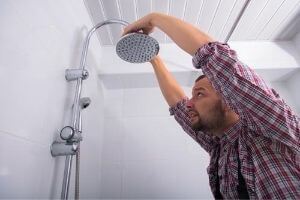 The hot and cold water supplies arrive in two separate, ½-inch copper pipes, which converge at a hub called a pressure-balancing cartridge valve. This metal valve - operated by a single knob or handle - facilitates the blending of hot and cold water to reach the desired temperature and prevents extreme fluctuations in pressure or temperature if, say, someone flushes a toilet elsewhere in the house.
In shower/tub combos, the supply pipes will first meet at a diverter valve, directing the flow to the tub spout or up through the pressure-balancing valve and on to the showerhead. When this valve begins leaking or malfunctioning, it typically needs to be replaced entirely.
When used water goes down the shower drain, it’s carried by a 1½-inch PVC or ABS pipe through the J-shaped trap below and into the main drainpipe. Most clogs occur in the trap or the drain plug mechanism. The latter case is relatively easy to fix, as pop-up drain plugs are easy to disassemble. If the clog is in the trap or further down the drainpipe, store-bought or DIY fixes can often solve the problem, but in most cases, it’s best to call a professional.
Leaks are another thing to watch out for, as they can cause severe damage to the home if they’re not dealt with promptly. Leaks can come from wear and tear on the control valve, old or corroded pipes, or a poor seal around the tub or shower basin. Scheduling regular maintenance with a plumber is the best way to prevent costly troubles and ensure that the shower remains convenient and not burdensome.
About Chris Wilson Plumbing & Heating Repairs Inc
Chris Wilson Plumbing & Heating Repairs Inc has served Monterey, CA with pride for over 20 years. They are committed to safety, quality, and outstanding service. They offer affordable, up-front pricing, 24-hour emergency service and a full satisfaction guarantee on every job.

