


Tips to Remember About Backflow Testing
When it comes to your drinking water, there is no room for messing around. Backflow testing is extremely important to society because it tells you whether your filtered water has been contaminated or not. Sometimes plumbing issues occur that cause this to happen. One day you turn on your bathroom sink to brush your teeth and all of a sudden you notice brown water pouring out of the faucet.
Backflow situations should always be handled with urgency. Not only because it is a health risk but also because it can potentially lead to damages within the home due to plumbing failures. Continue reading to learn all about backflow testing and how to prevent backflow from happening to you.
Backflow: It’s a Safety Hazard
 Backflow is essentially what happens when the pressure in the water tank is lower than the water system’s pressure. When this occurs, a flow of contaminated water moves in the reverse direction it is intended.
Back in 1983, there was a severe backflow incident that contaminated the drinking water of the entire town. It was later traced back to the local agricultural facility. It was said that an agricultural herbicide isolating tap was left open between the herbicide and the town’s water supply. This might be an extreme case of backflow, but any amount of backflow is hazardous to your health.
Drinking contaminated water is a cause for concern. It can lead to all kinds of illnesses, diseases, and even death. When a backflow case occurs, it is taken extremely seriously and is usually tracked to ensure entire towns don’t suffer from the health hazard.
How to Prevent Backflow
Backflow is a plumbing problem that can occur because of a number of different plumbing issues.
Some of these plumbing issues are:
- A Broken Water Main
- An Extended Power Outage
- Plumbing Overhauling
- Pressure Differences in Home Appliances
Essentially, backflow is caused because of one of two reasons:
- Back Pressure
- Back Siphonage
When backflow occurs in your home’s plumbing system, the plumber will test the flow of water in your home while simultaneously turning different valves on and off. Turning the valves off and on will show the plumber where leaks might be and other reasons for pressure differences.

A Reduced Pressure Principle Backflow Preventer or RPBP has a central chamber with two valves on either side. The valves close when the pressure is off, which prevents backflow. The simplest way to prevent backflow, however, is a barometric loop. It is a section of piping that is shaped in an inverted U-shape. It is placed upstream from a cross-connecting pipe. As long as there isn’t backpressure, this works like a charm.
What to Do If It Happens to You
 The most common places for backflow to occur in the home are the bathroom and the kitchen. Usually, you will see it in sinks or the shower or toilet. A toilet is a common location because of the pressure it takes to flush the toilet every time.
If you experience backflow in your home, the first thing you need to do is close the water valve to the area where the backflow occurred. If you noticed backflow in your sinks, you can look underneath the sink to find a water shut off valve.
Immediately after you do this, call an emergency plumber to come to take a look as soon as possible. Backflow is something that is taken seriously and should never be neglected.
It is also something that should never be handled without a trained professional because of the different health risks associated with it. A professional will know how to eradicate the problem without any harm to anyone in the home.
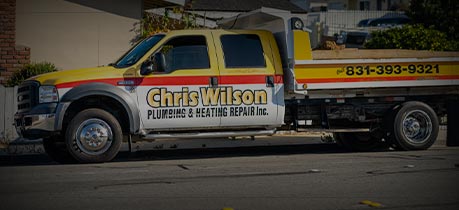
Chris Wilson Plumbing & Heating Repairs Inc Is There for You
The experienced, factory-trained technicians at Chris Wilson Plumbing & Heating Repairs Inc work hard to keep you safe all year round. They work tirelessly to ensure you are left with a satisfaction guarantee every time. For discounts on your next visit, check out their website!

